The hybrid office, without the chaos
When people come in on different days, the office has to work differently. Here is how to set up shared space that people actually want to use.
When people come in on different days, the office has to work differently. Here is how to set up shared space that people actually want to use.

In many companies the office is no longer where people go to do their individual work - they can do that at home. They come in to meet, plan, learn from each other and feel part of a team. That changes what the space needs to do.
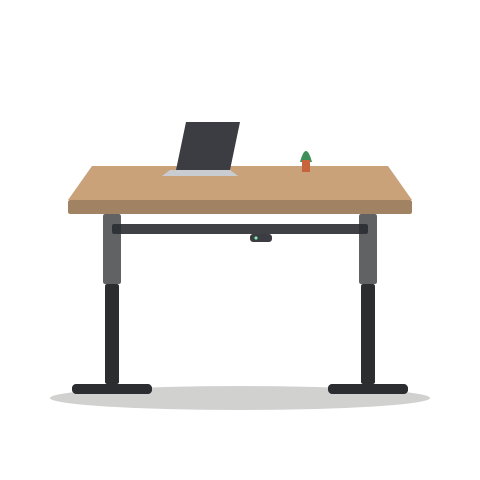
If only half the team is in on any given day, a desk for everyone means half the room sits empty. Desk-sharing frees up space for what hybrid teams really miss: rooms to collaborate in. It only works, though, if every shared desk is good. Height-adjustable desks with memory presets let each person find their set-up in seconds.
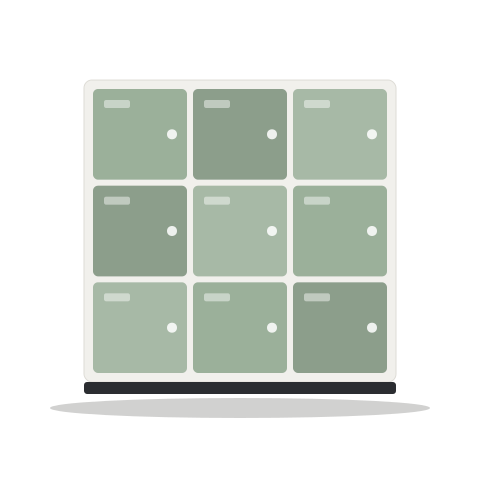
Without a fixed desk, people need somewhere to leave their things. Personal lockers are the simplest answer, ideally close to the entrance, so arriving and leaving is quick. A small bag or tray that goes from locker to desk keeps the essentials together.
Mobile boards are the unsung heroes of the hybrid office. Roll one into a meeting room for a workshop, turn it round for a clean surface, and park it in the team area afterwards so the plan stays visible for those who were not there. Glass boards also look good on camera, which matters when half the meeting is remote.
Open space and video calls do not mix well. Desk screens in acoustic felt, a few phone booths and a clear rule about which zones are for talking make a big difference to how tiring a day in the office feels.
 Note-taking & planning · 4 min read
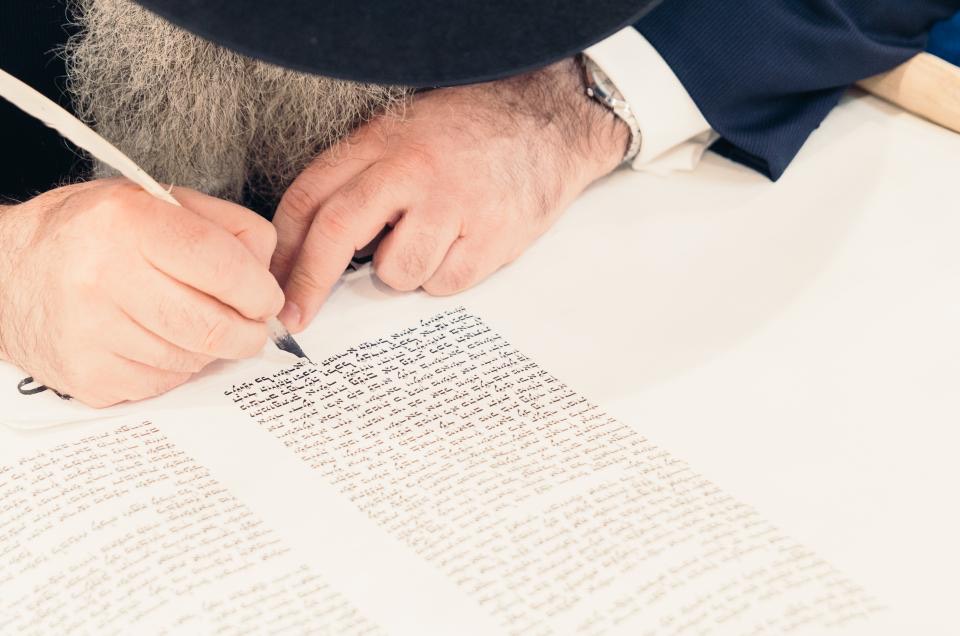
Why pen and paper still win the meetingWe type faster than we write. So why do so many people still reach for a notebook when it really counts?
 Healthy workspace · 6 min read
Sit, stand, move: setting up a healthy workstationA practical, no-nonsense guide to adjusting your desk, chair and screen - at the office or at home.
 Agile working · 4 min read
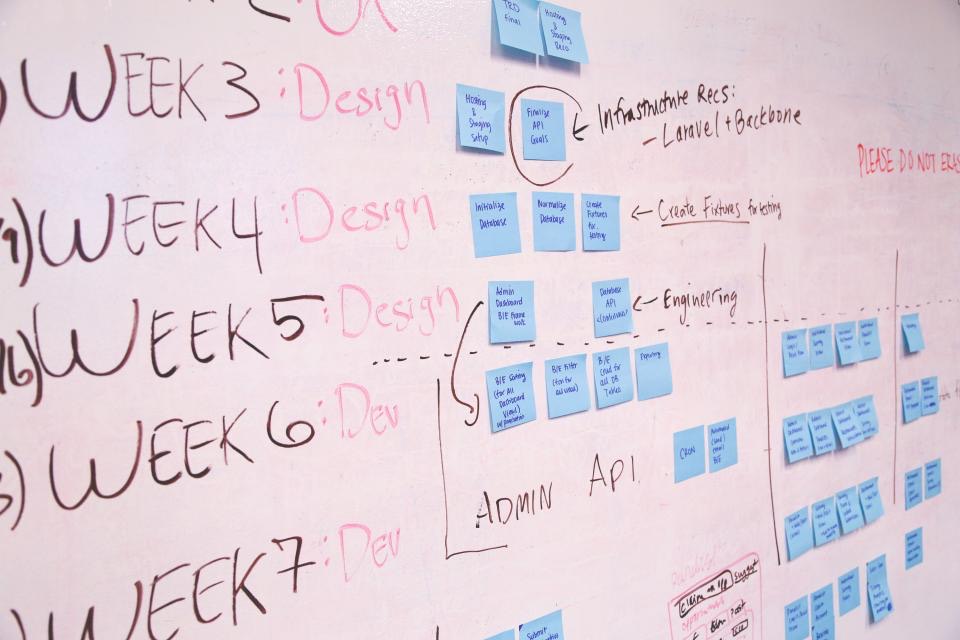
Five ingredients for workshops that workGood workshops are designed, not improvised. The right space and materials do half the work.